

First Lady Denies Epstein Ties, Demands Capitol Hill Address Victims’ Claims | White House Statement
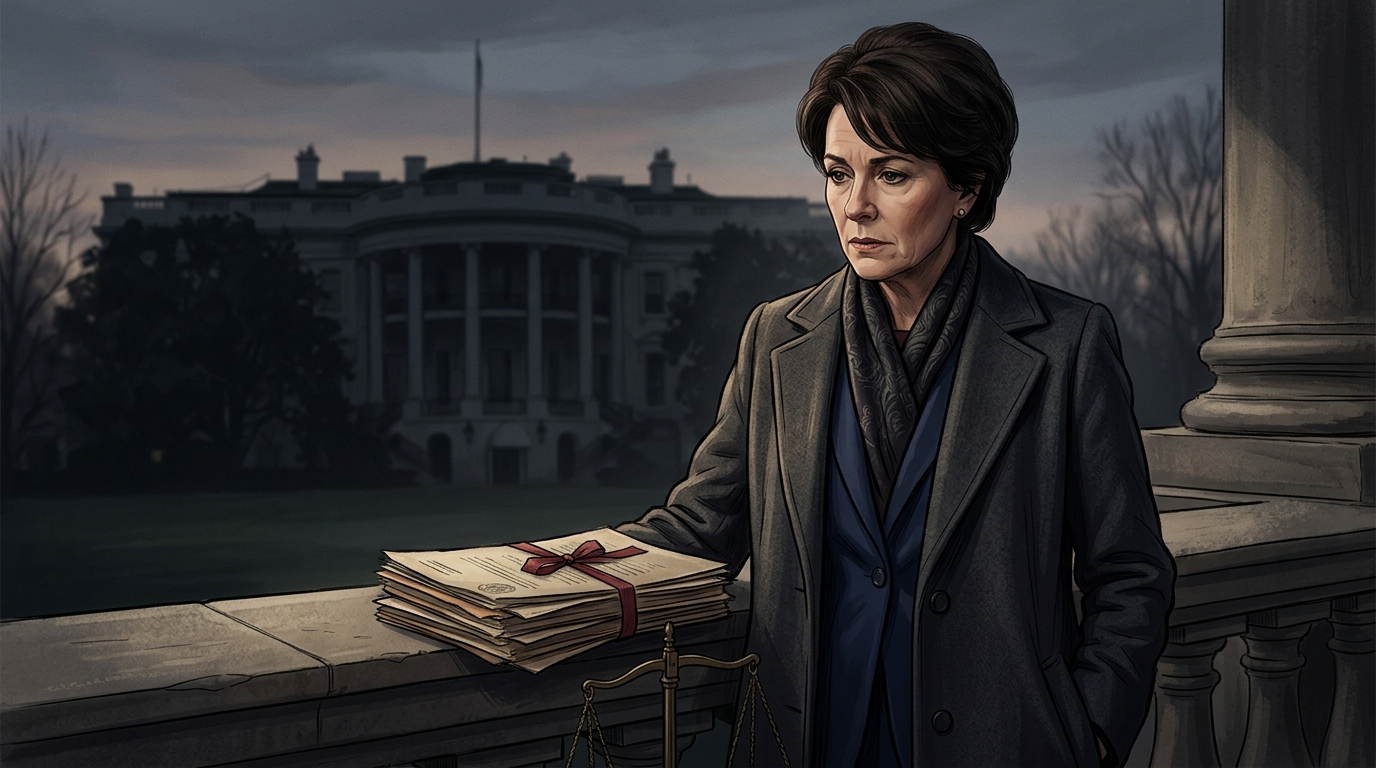
Melania Trump issues a formal White House statement rejecting all ties to Jeffrey Epstein and calls on Congress to hold a dedicated hearing for survivors. Here’s everything you need to know.
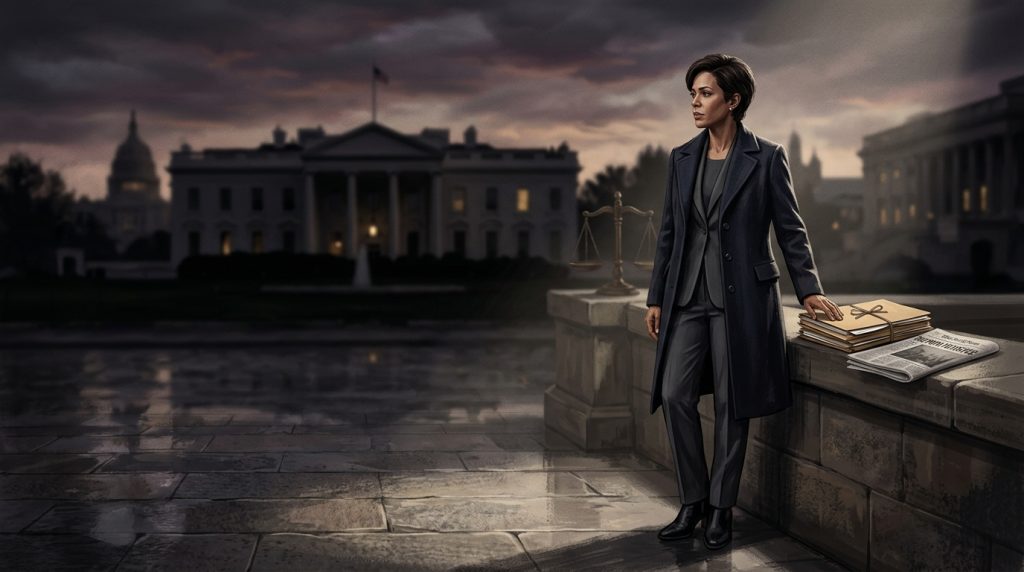
In a move that caught many Washington insiders off guard, First Lady Melania Trump delivered a formal statement from the White House, categorically rejecting any suggestion that she had knowledge of, or involvement in, the crimes associated with the late financier Jeffrey Epstein. The statement, sharp and unambiguous in tone, also included a pointed directive aimed at members of Congress — demanding that lawmakers hold a dedicated hearing where Epstein’s surviving victims could be heard publicly.
A rare and forceful public statement
Melania Trump has historically maintained a carefully guarded public presence, making her direct intervention in this controversy particularly striking. The address was not a brief comment or a statement passed through a spokesperson — it was a prepared, formal declaration delivered with deliberate intent. Those who study the First Lady’s communication patterns noted that the specificity of her language signaled genuine personal investment in correcting the public record.
“The false claims being circulated are not only dishonest — they are harmful to real survivors who deserve justice, not political theater.”
At the center of her remarks was a firm rebuttal of what her office described as a campaign of misinformation linking her name to Epstein’s network. Without attributing blame to any single source, the statement made clear that such linkages were fabricated, and that she found them deeply offensive both personally and as a matter of public integrity.
The call for a Congressional hearing
Perhaps the most consequential element of Melania Trump’s statement was her formal call on Congress to convene a hearing dedicated to survivors of Epstein’s abuse. This was not merely a rhetorical gesture — it placed legislative pressure squarely on Capitol Hill at a moment when many lawmakers have been reluctant to revisit a case that implicates powerful figures across the political spectrum.
Key points from the statement
- Melania Trump categorically denied any personal knowledge of Epstein’s criminal conduct
- She rejected claims linking her name to Epstein’s network as entirely fabricated
- She called on Congress to hold a formal hearing for Epstein’s surviving victims
- The statement was delivered directly from the White House, underscoring its official weight
- Her remarks emphasized the harm done to genuine survivors by politically motivated narratives
Advocates for Epstein’s survivors have long argued that a full Congressional hearing is essential to ensuring accountability for those who enabled his crimes. For the First Lady to publicly align herself with that demand shifts the political calculus considerably — making it more difficult for congressional leaders to dismiss the issue as a fringe concern.
Why this moment matters for survivors
For the many individuals who suffered at Epstein’s hands, the years since his 2019 death in federal custody have been marked by frustration. While Ghislaine Maxwell was convicted and imprisoned, questions about the full scope of Epstein’s network and who else may have been complicit remain unanswered in any formal public forum. Survivor advocates have long maintained that a Congressional hearing — with subpoena power and public testimony — remains the most credible path toward broader accountability.
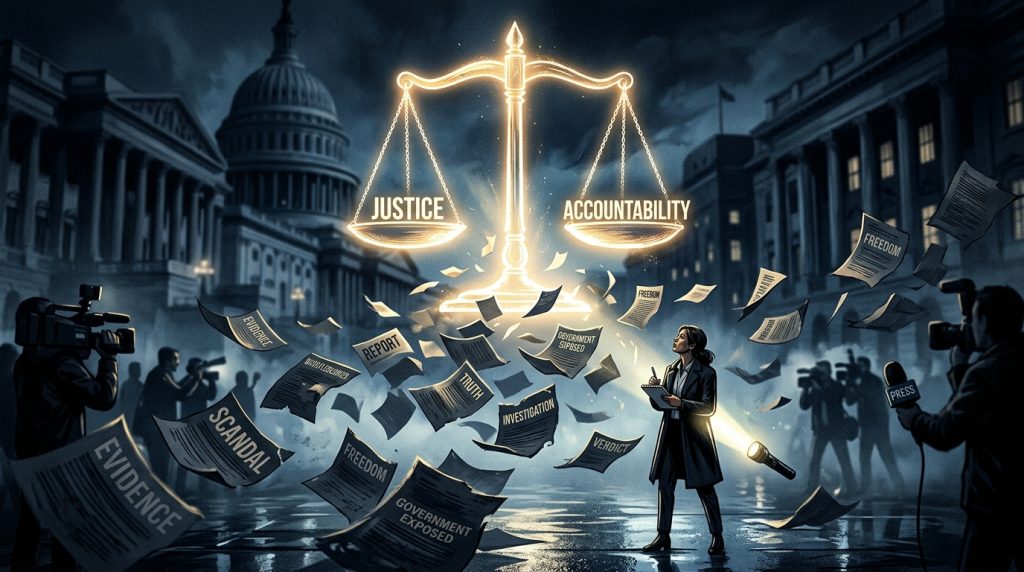
The First Lady’s statement, whatever one makes of its political context, injects fresh momentum into that demand. By framing the hearing not as a partisan exercise but as a matter of justice owed to real victims, she has repositioned the debate in a way that is harder for either party to deflect.
The political backdrop
The Epstein case has remained a uniquely charged subject in American public life precisely because the documented social network surrounding him included individuals of virtually every political affiliation. Attempts to frame the story as belonging exclusively to one party or another have repeatedly collapsed under scrutiny. In that context, the First Lady’s statement — denying personal connection while simultaneously advocating for victims — represents a careful and arguably effective navigation of politically treacherous terrain.
Congressional reaction to the call for a hearing has so far been muted, with no committee chairs publicly committing to schedule one. However, political observers note that public pressure from the White House, combined with ongoing advocacy from survivor groups, makes the prospect more likely than it was even weeks ago.
Bottom lineMelania Trump’s White House statement is notable on two fronts: it is an unusually direct personal rebuttal from a First Lady who rarely engages in public controversy, and it carries a concrete legislative demand that gives the Epstein accountability debate new institutional traction. Whether Congress acts on the call for a hearing remains to be seen — but the political pressure to do so has meaningfully increased.