

Stellantis Explores Chinese EV Production in Canada and Spain: A Strategic Shift in the Global Electric Vehicle Market
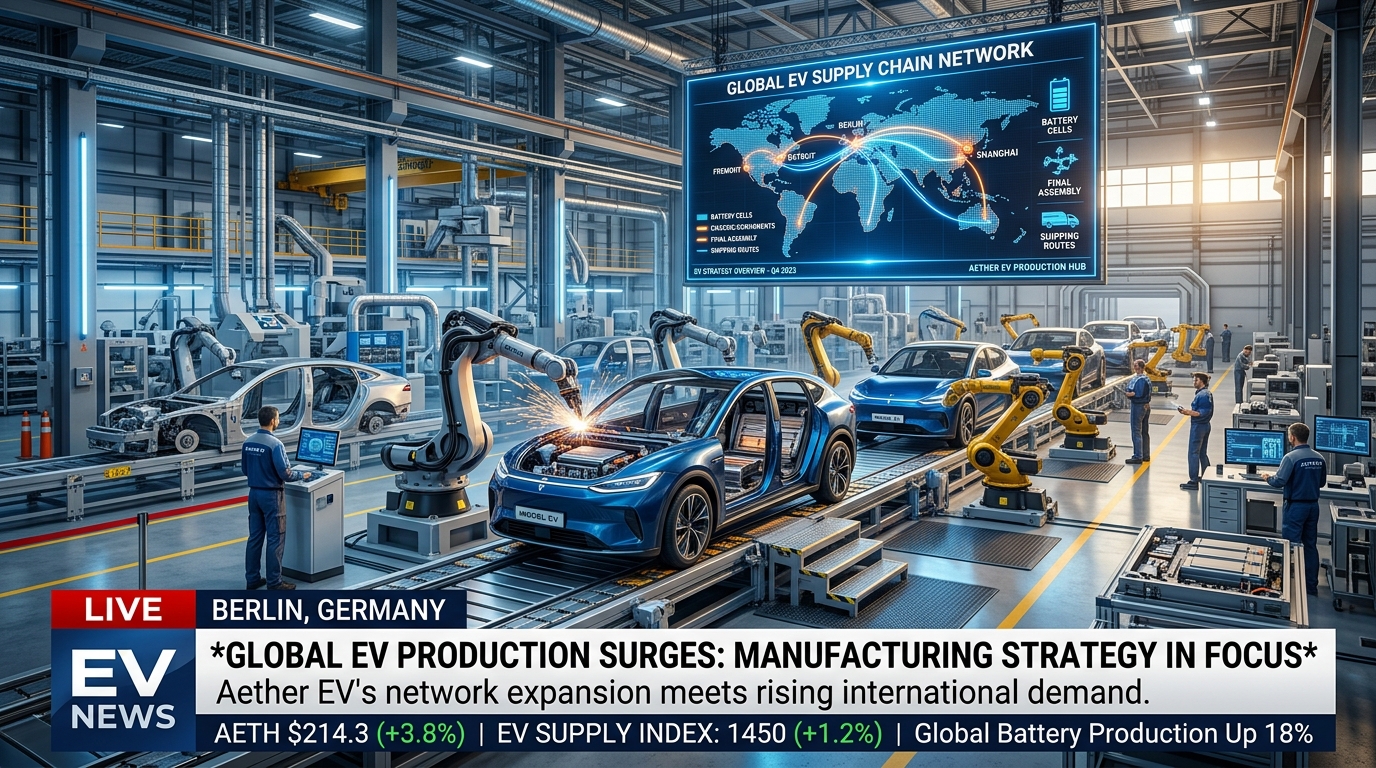
Global automaker Stellantis is reportedly exploring Chinese EV production partnerships in Canada and Spain. Learn what this move means for the future of electric vehicles and global manufacturing.
Global automotive giant Stellantis is reportedly evaluating plans to manufacture Chinese electric vehicles (EVs) in Western markets such as Canada and Spain. The move signals a major strategic shift in the rapidly evolving global EV industry, where competition, technology partnerships, and production localization are becoming key drivers of success.
The company, formed through the merger of Fiat Chrysler Automobiles and PSA Group, has been actively expanding its electric vehicle strategy as governments worldwide push for cleaner transportation solutions.
Why Stellantis Is Considering Chinese EV Production
Chinese electric vehicle manufacturers have rapidly advanced in battery technology, cost efficiency, and production scale. By collaborating with Chinese EV technology or manufacturing partners, Stellantis could accelerate its transition to electrification.
Producing Chinese-designed EV models in Canada and Spain would offer several advantages:
- Lower production costs compared to importing vehicles directly from Asia
- Faster access to advanced EV technology
- Reduced trade tariffs and logistics costs
- Stronger presence in North American and European markets
This strategy could also help Stellantis compete with aggressive EV expansion from companies like Tesla and Chinese manufacturers such as BYD Company.
Canada and Spain: Strategic Production Locations
Canada has become an emerging hub for electric vehicle manufacturing due to strong government incentives and growing battery supply chains. Stellantis already operates manufacturing facilities in the country, making it a logical location for new EV production lines.
Spain, on the other hand, plays a significant role in the European automotive sector. With supportive policies from the European Union aimed at promoting electric mobility, Spain offers a strategic gateway to the broader European EV market.
Impact on the Global EV Industry
If Stellantis moves forward with this plan, it could reshape how Chinese EV technology enters Western markets. Instead of importing fully assembled vehicles, automakers may increasingly choose local production using international technology partnerships.
This approach could:
- Accelerate EV adoption worldwide
- Increase competition in the global auto market
- Encourage more cross-border automotive collaborations
The strategy also reflects a broader industry trend where global carmakers are blending technology from multiple regions to remain competitive.
What It Means for Consumers
For consumers, this development could lead to more affordable electric vehicles with advanced technology. By combining Chinese EV innovation with Western manufacturing standards, Stellantis may deliver competitively priced models in the coming years.
More EV options could also speed up the transition away from traditional gasoline vehicles, helping countries meet climate targets.
Final Thoughts
Stellantis exploring Chinese EV production in Canada and Spain highlights how rapidly the automotive industry is evolving. As electrification becomes the future of mobility, partnerships across borders will likely define the next generation of vehicles.
If the initiative moves forward, Stellantis could strengthen its position in the global EV race while bringing innovative and affordable electric vehicles to consumers worldwide.
